
DST Triple Sense: The Adjustable Stair Trainer for Stroke, Orthopedic & Geriatric Rehab
Why stair training matters in rehabilitation
Stairs are one of the most physically demanding — and most necessary — tasks a patient needs to relearn after a stroke, orthopedic surgery, or in geriatric decline. The DST Triple Sense was built to make that training safe, gradual, and measurable.
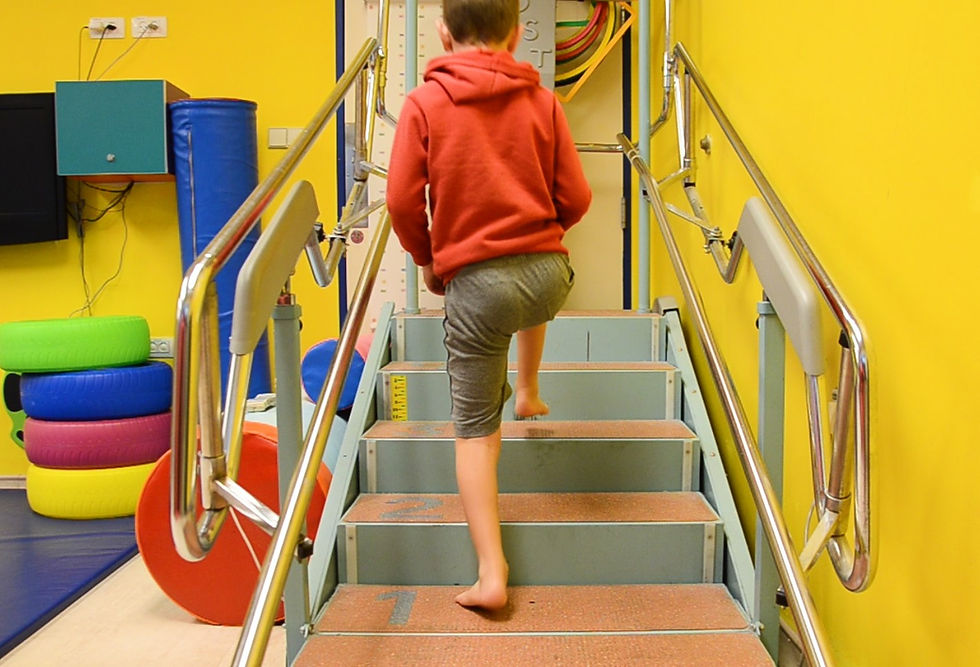
What the DST Triple Sense does
The DST Triple Sense combines three core rehabilitation functions in a single device:
Adjustable stair height — height-adjustable steps let therapists start patients at a safe level and progress gradually as strength and confidence improve.
Slope training — an electronically adjustable incline (0–26°) prepares patients for real-world mobility challenges like ramps and uneven ground.
Triple Sense biofeedback — built-in pressure mapping gives therapists and patients immediate, objective data on gait quality and progress, instead of relying on visual assessment alone.
Who it's for
Stroke recovery (hemiplegia, balance and weight-bearing retraining)
Orthopedic rehabilitation (post-surgical stair and slope reintroduction)
Geriatric physical therapy (fall-risk reduction, confidence building)
Video timestamps
0:00 — Introduction to DST Triple Sense
0:30 — Adjusting step height for patients
1:00 — Biofeedback & data tracking features
1:20 — Summary and contact information
FAQ (for FAQPage schema)
Q: What conditions is the DST Triple Sense used for? A: It's used in stroke recovery, orthopedic rehabilitation, and geriatric physical therapy to retrain safe stair climbing and slope walking.
Q: How does the biofeedback system work? A: The Triple Sense pressure-mapping technology tracks gait in real time, giving therapists objective data on weight-bearing, balance, and progress across sessions.
Q: Can the stair height be adjusted for different patients? A: Yes — step height adjusts from 0–16.5cm (0–6.5in), letting therapists start low and progress gradually as the patient's ability improves. Learning Center: https://www.dpemed.com/why-train-on-stairs
Learning Center: https://www.dpemed.com/fim-score

Comments